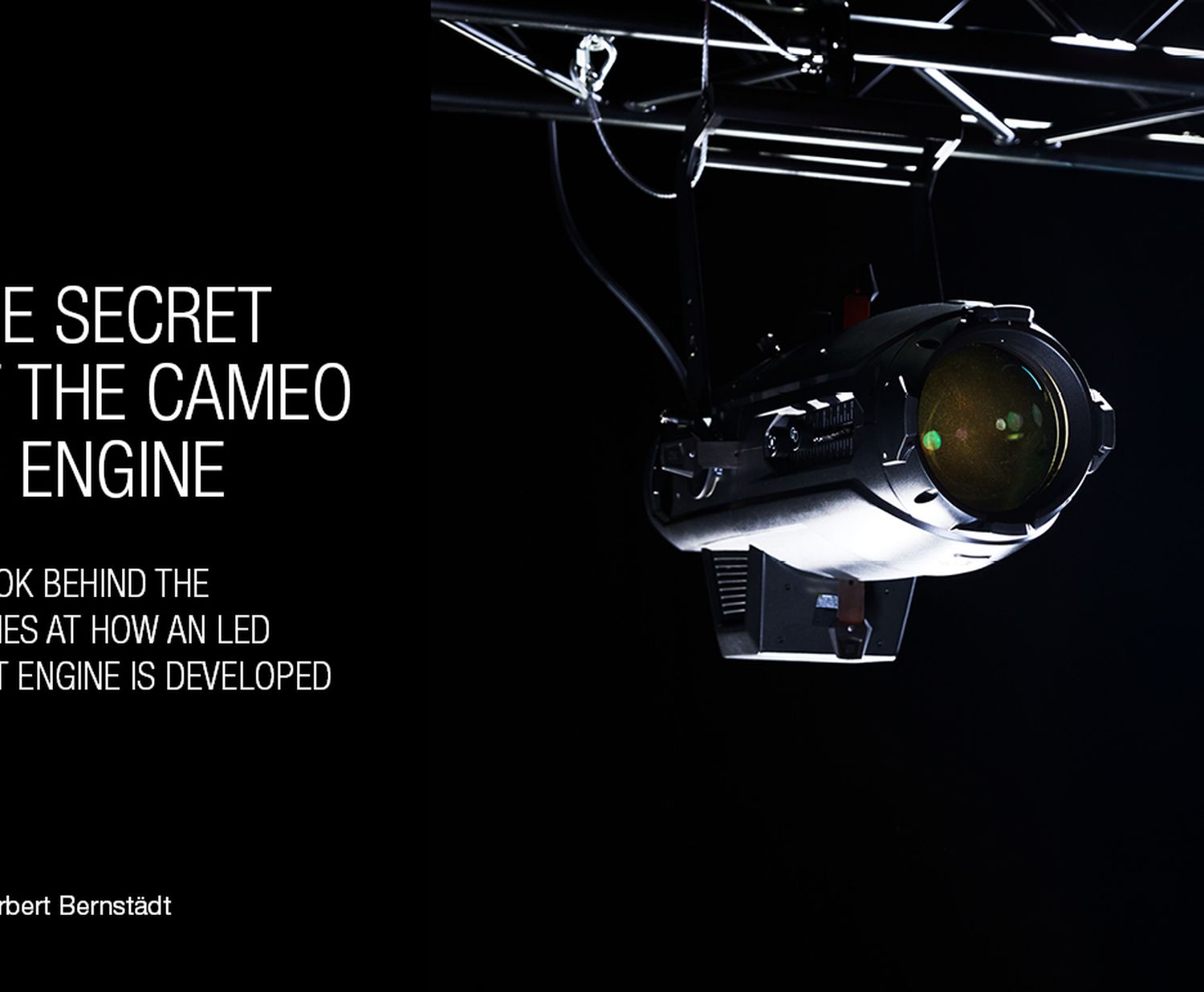
The secret of the Cameo P6 engine
A look behind the scenes at how an LED light engine is developed in the Cameo development department, using the P6 profile spot as an example.
A look behind the scenes at how an LED light engine is developed in the Cameo development department, using the P6 profile spot as an example.
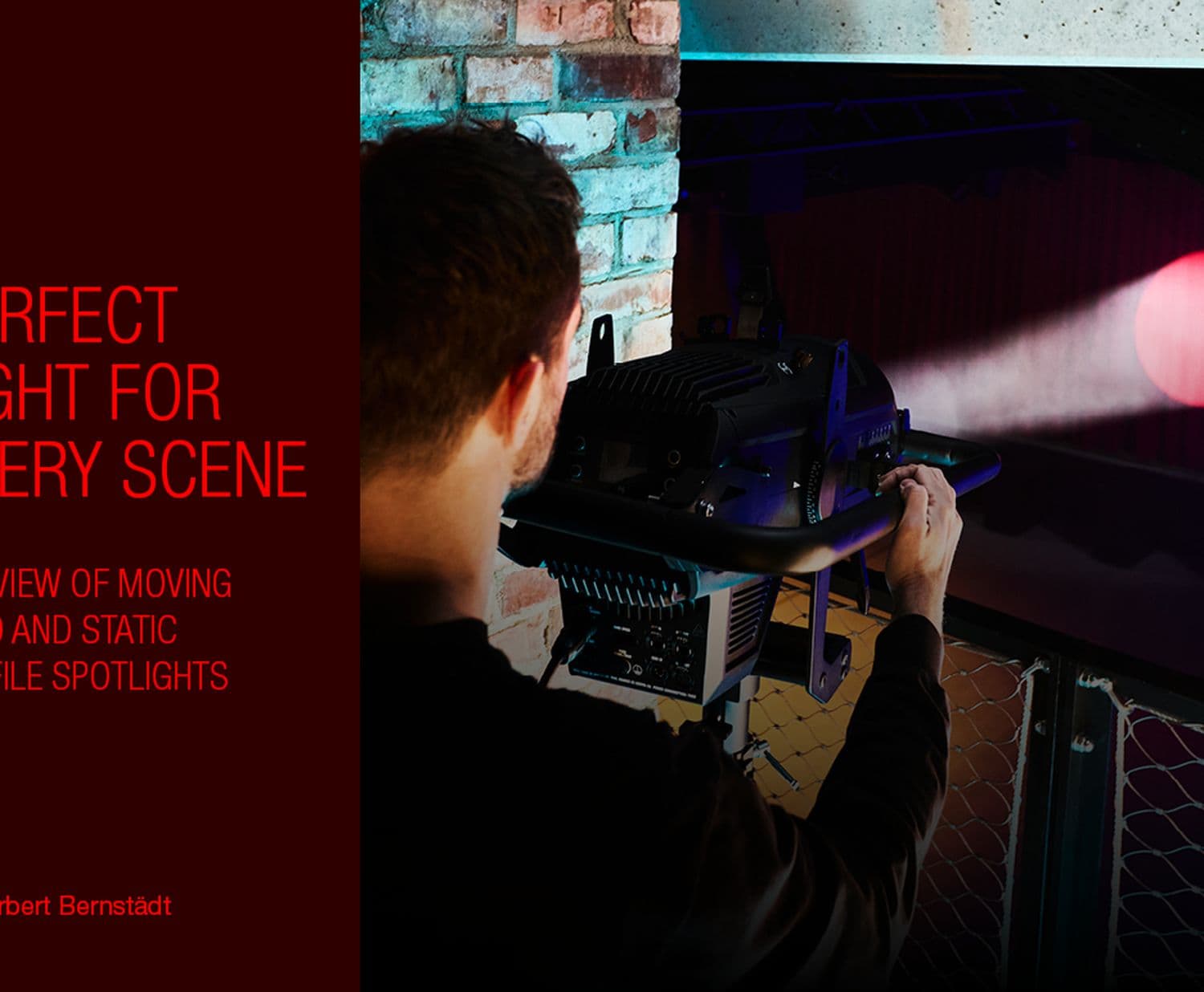
Moving heads or conventional profilers? This question is often raised when it comes to precise lighting design. In this final part of our series, we compare the two systems and shed light on when which option is worthwhile. How do moving head and static profile spotlights differ in terms of operation, precision, and workflow? When is a classic profile spotlight the better choice – and when is the flexibility of a moving head convincing? In addition, we’ll be looking at special applications, such as converting a profiler into a followspot. Whether it is for a theatre, trade fair, concert, or architectural lighting, here you can find out which system is best suited to your requirements.
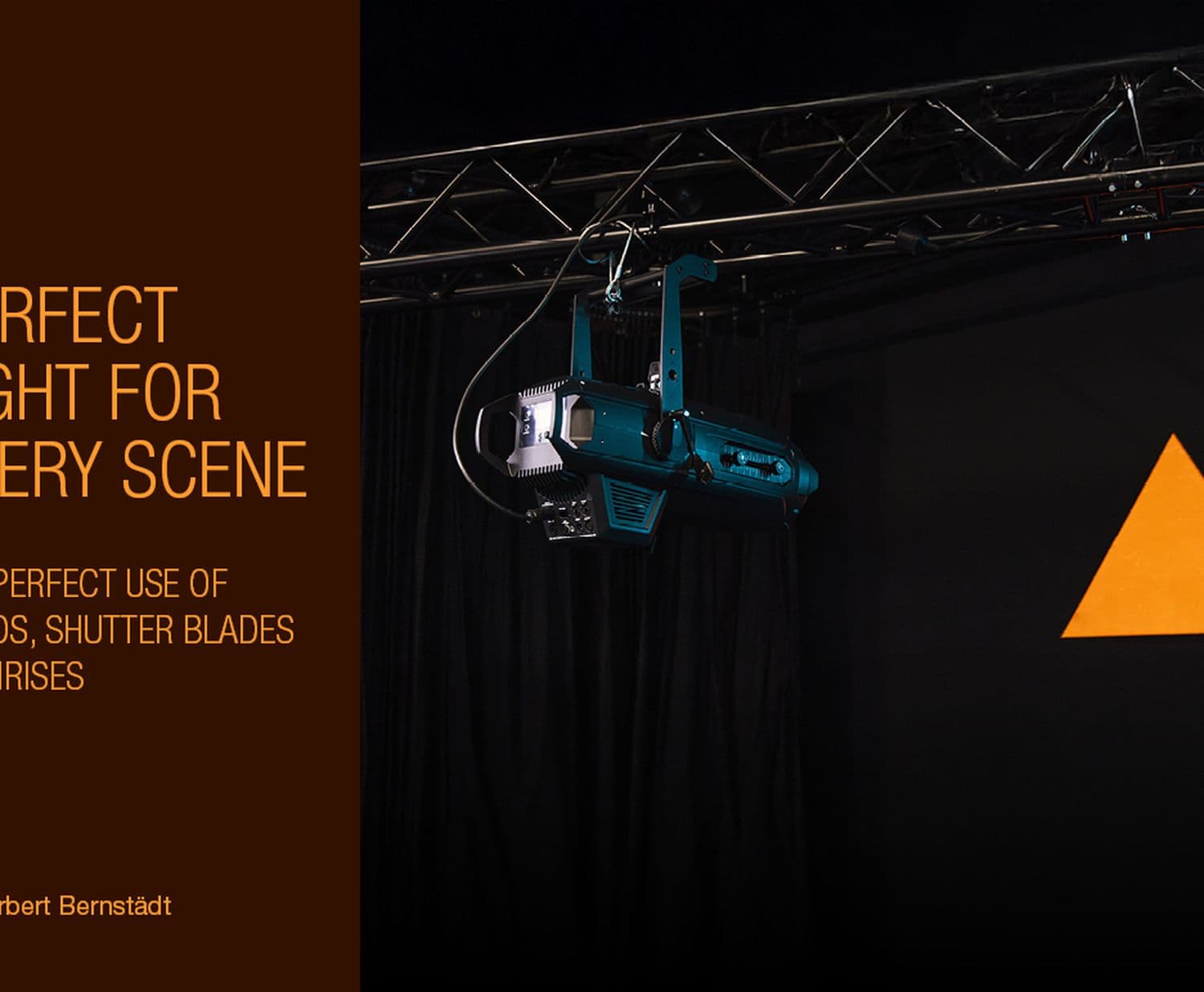
Light is more than just brightness. It shapes spaces, attracts attention, and creates atmosphere. This third part of our series is all about the tools you can use to sculpt light in a targeted way: gobos, shutter blades, and irises. How can clear edges be set to precisely define stage boundaries? Which gobos are suitable for razor-sharp projections and which ones for atmospheric effects? And how can you flexibly control the light cone with an iris? We will provide you with practical tips for the professional use of these lighting tools – whether for theatre, events, or other lighting tasks.
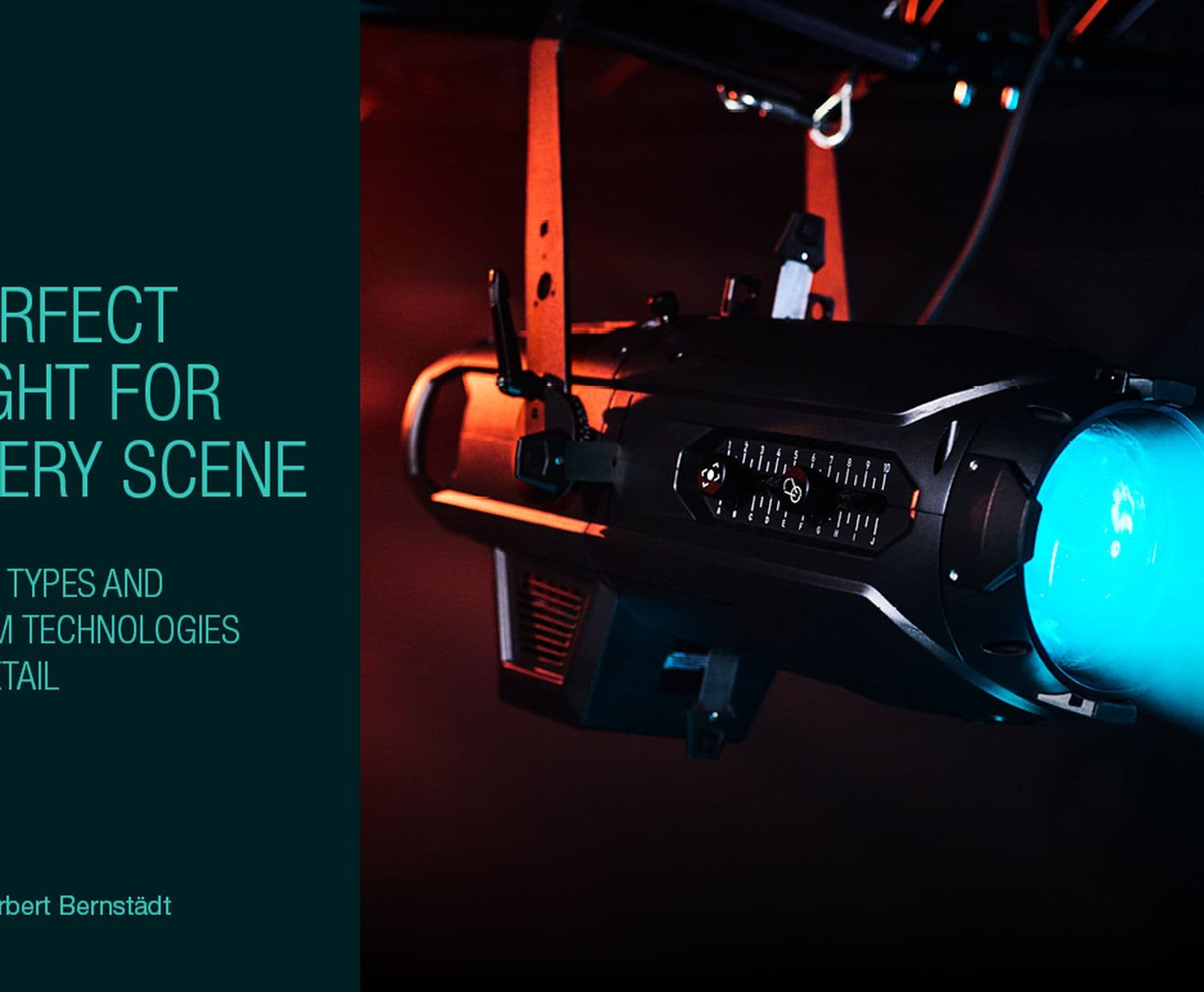
Whether it is a theatre stage, concert arena, or museum, the quality of the light projection depends on selecting the right optics. In this second part of our series, we will take a deep dive into the world of tube technologies: what are the advantages and disadvantages of interchangeable tubes compared to zoom tubes? When is a universal zoom the best choice? And how do optical aberrations affect the quality of light? This post is intended for lighting technicians, designers, and operators who want to deepen their knowledge of lens systems and use their spotlights even more effectively to create impressive lighting effects in stage lighting. We will highlight practical application tips and provide valuable decision-making aids for the optimum use of profile spotlights – whether in theatres, city halls, or on large stages.
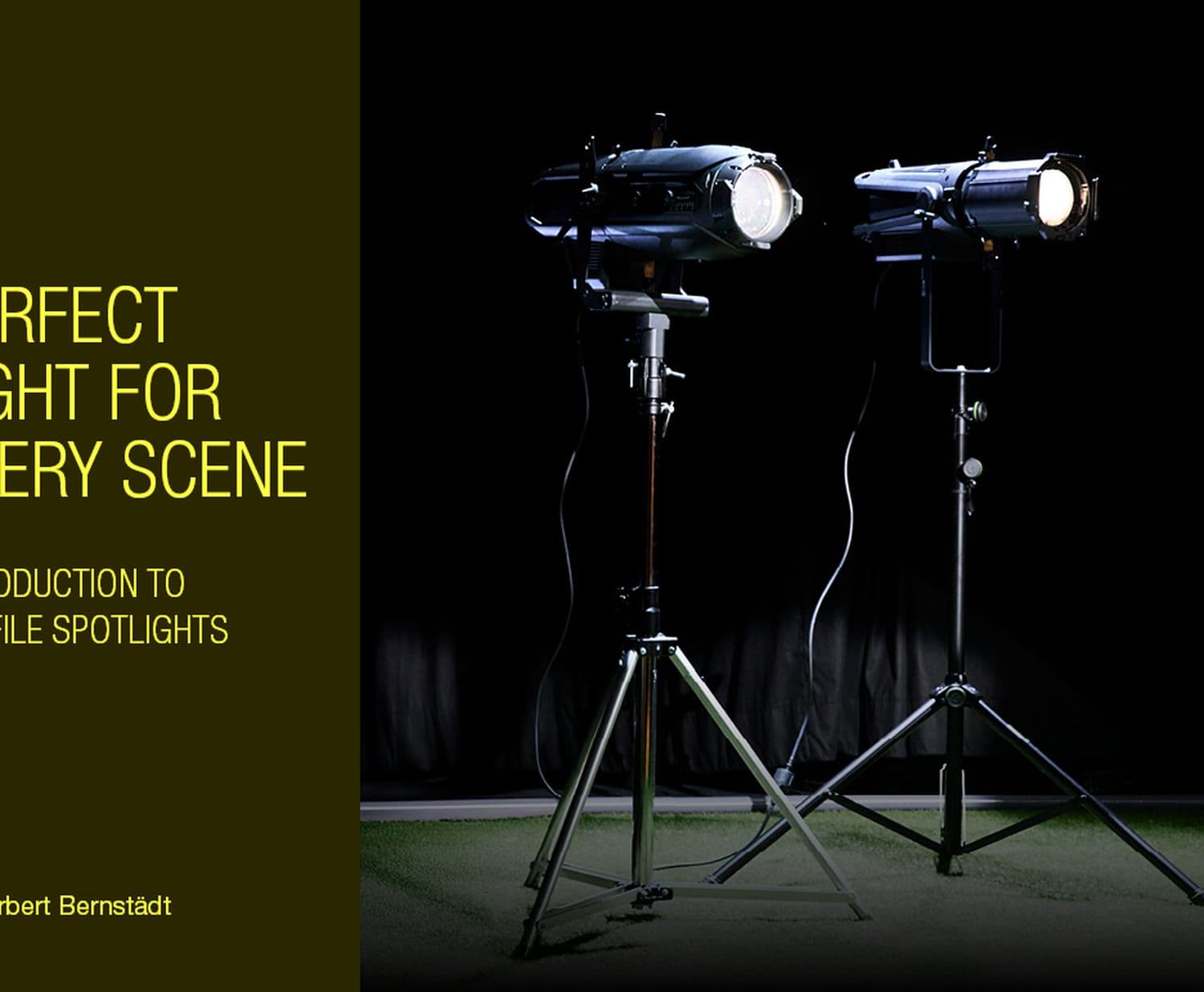
Light is much more than just brightness – it shapes spaces, directs the gaze of the audience, and creates impressive atmospheres. Profile spotlights in particular play a key role in professional lighting technology, as they facilitate precise lighting design with sharp edges, creative projections, and targeted focussing. Whether in the theatre, on stage, or at live events, their wide range of uses makes them an indispensable tool for lighting designers. In this four-part blog series, we will take a deep dive into the world of profile spotlights. We will explain fundamental optical concepts, present various tube and zoom technologies, demonstrate the creative potential of gobos, shutter blades, and irises and compare moving head and static profilers. Let’s start with the basics: what makes a profile spotlight so special and why it is considered the “scalpel of lighting”? In Part 1, you will learn how optical principles work and how a razor-sharp projection is created.
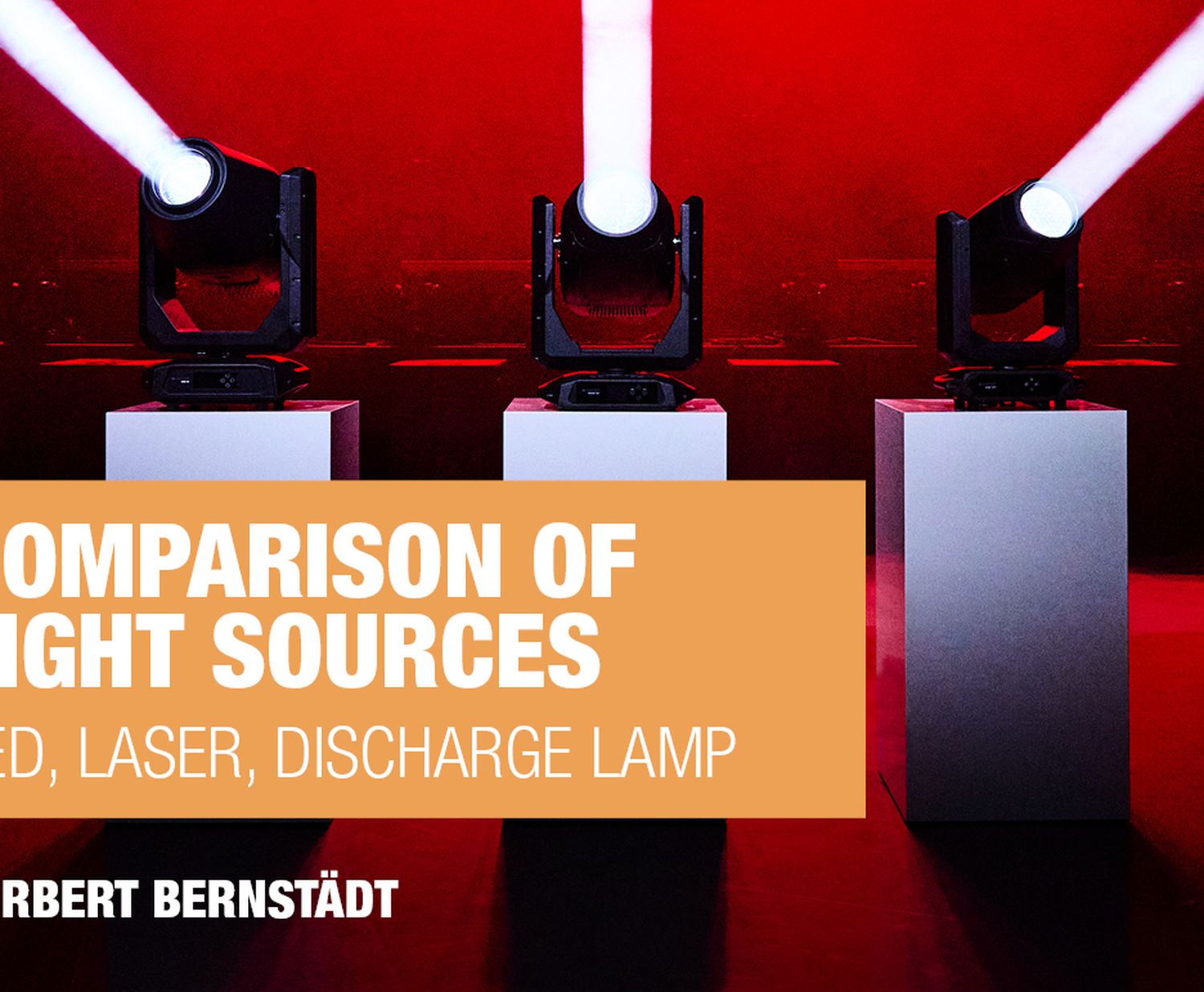
LED, laser, or discharge lamp? How do the properties of the light sources differ and for which lights are these light sources particularly suitable?
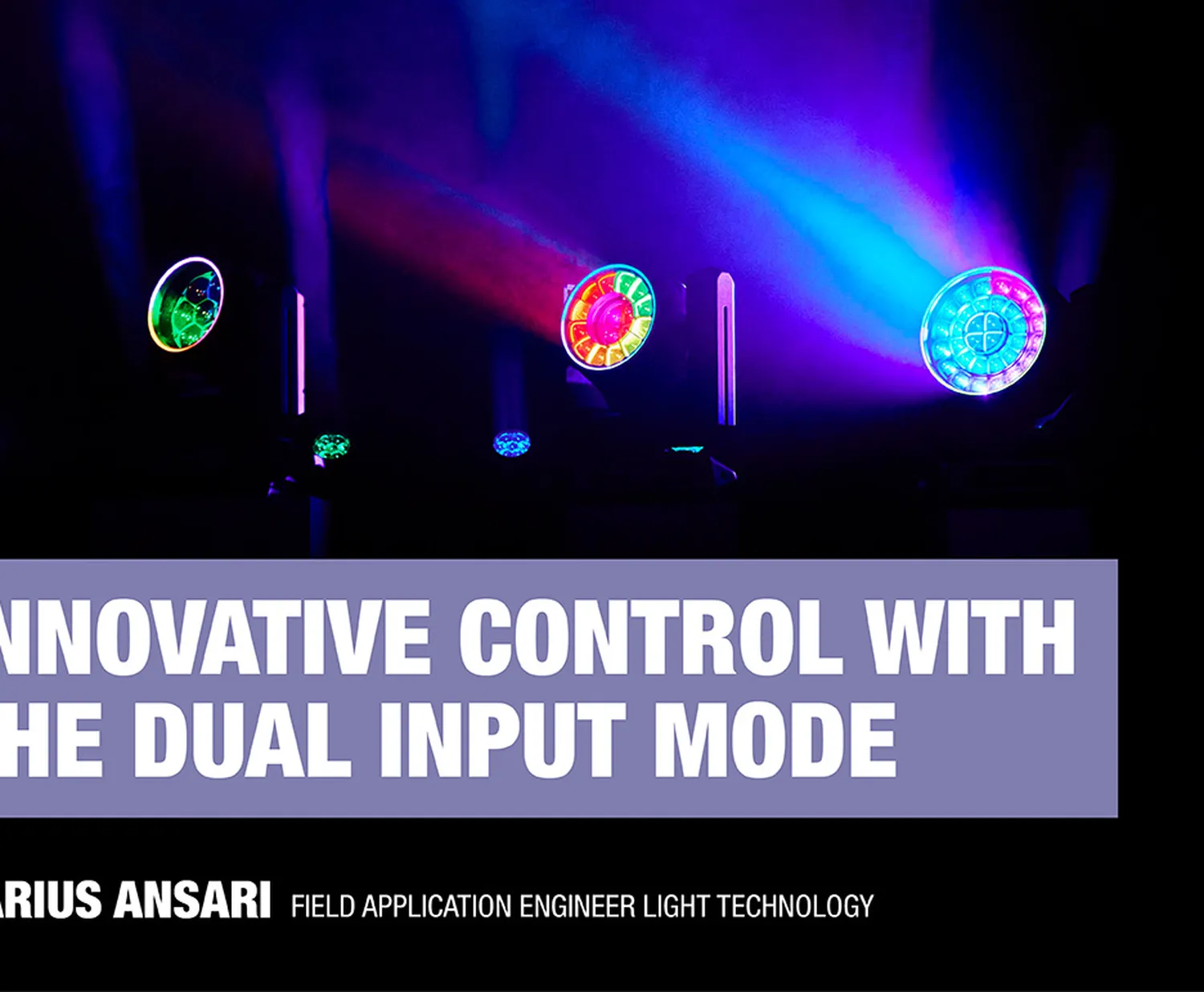
In the dynamic world of lighting design, light control requires constant adaptation and innovation. Traditional setups in which the power and DMX signals are simply forwarded via daisy chain are often no longer sufficient, especially for sophisticated lights with a large number of control channels.Nowadays, even basic static lights can occupy up to or even more than 15 DMX channels. And these figures can increase exponentially when we talk about larger lights that require an enormous number of control channels due to their high pixel count with individual pixel control. But of course we want to maximise the creative customisation possibilities. However, this freedom can be a real challenge for any lighting system technician.
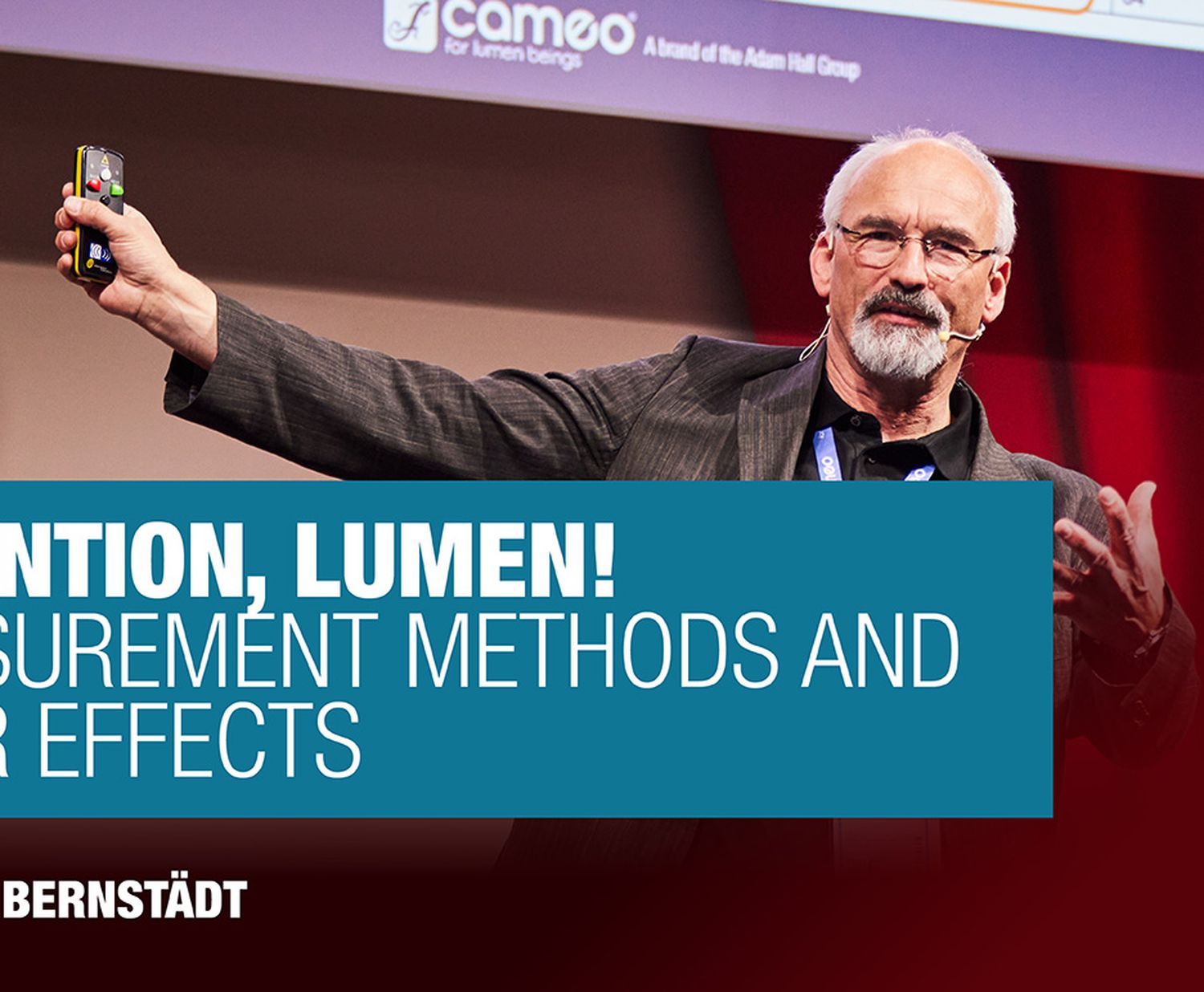
Many people know it from sound engineering when the power specifications of the loudspeakers or amplifiers promise a powerful device and you ends up hearing a transistor radio during the listening test. This trend has also found its way into lighting technology. The following examples show how "peak values" can be achieved.
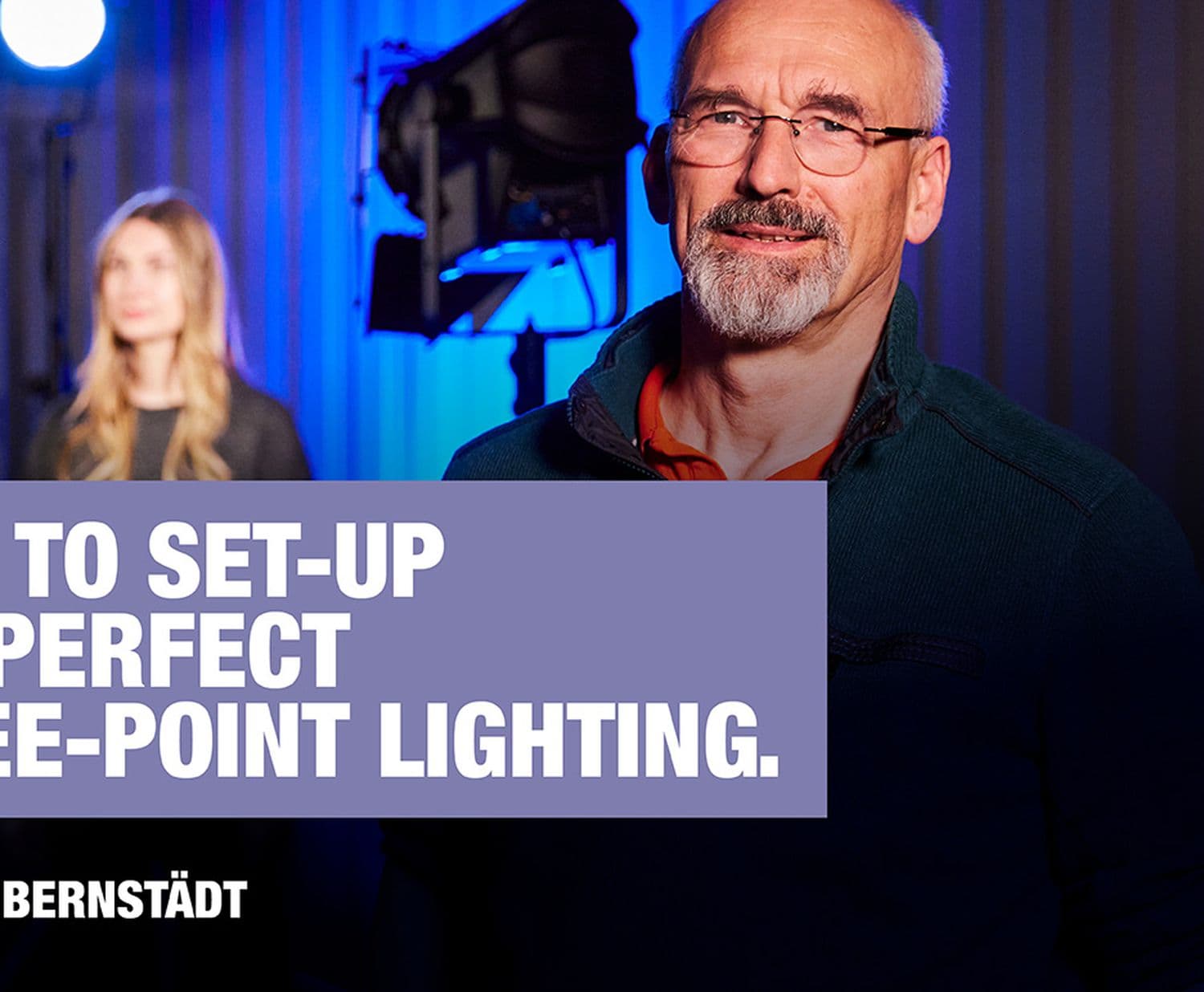
Video streaming, photo shoots, film shoots - everyone sees immediately: there are professionals or amateurs at work. But what makes the difference? Is it the camera? Usually not, because even with a mobile phone you can already send very usable streams, take videos or pictures. Typically, it's the light - the lighting, the way you put a person in the right light. The effect of good lighting is usually underestimated because most of what we see is registered and evaluated in the subconscious. It is a fraction of a second in which the judgement sympathetic - unsympathetic is made. We would like to explain here how we put a person in the right light with the common 3-point illumination.
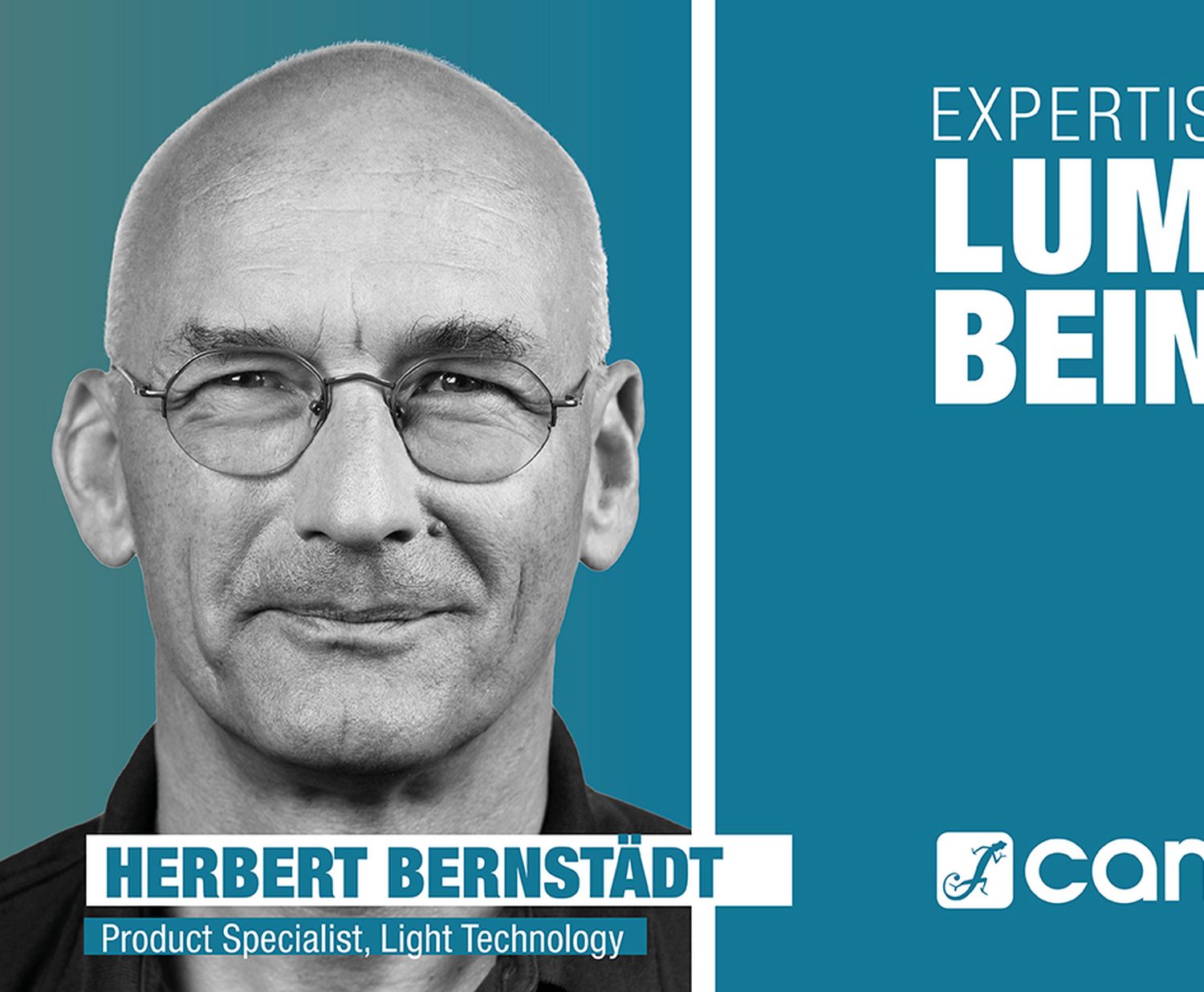
Expertise for Lumen Beings: Lighting specialist Herbert Bernstädt now offers everything you need in all areas of lighting and spotlight technology. In the first edition of the series, the experienced lighting expert and development engineer deals with what is probably the most important light colour of all: white light.