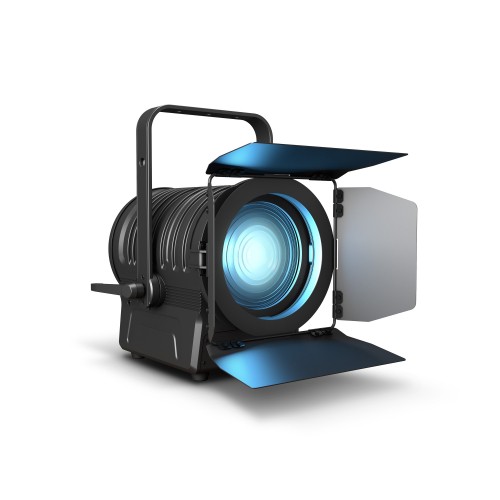
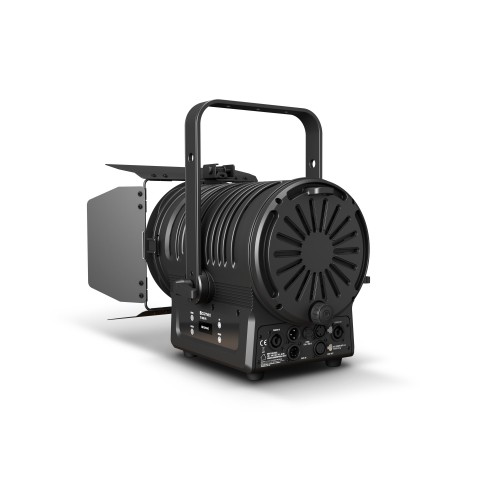
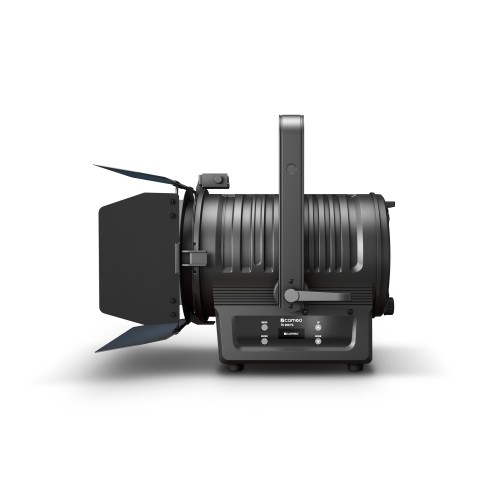
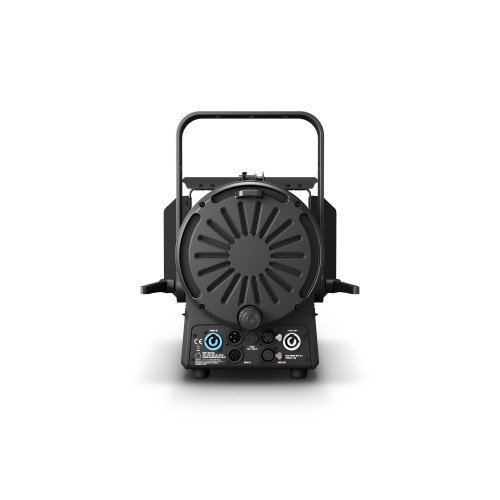
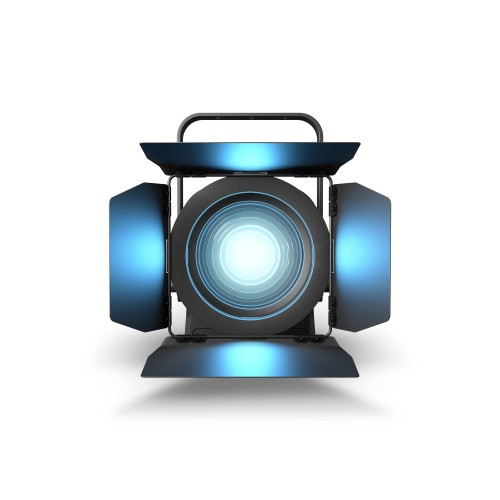
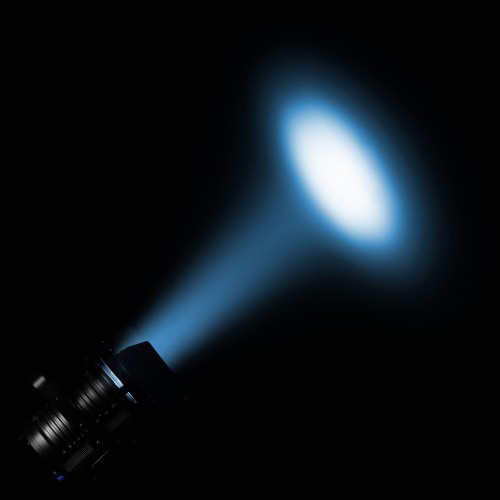
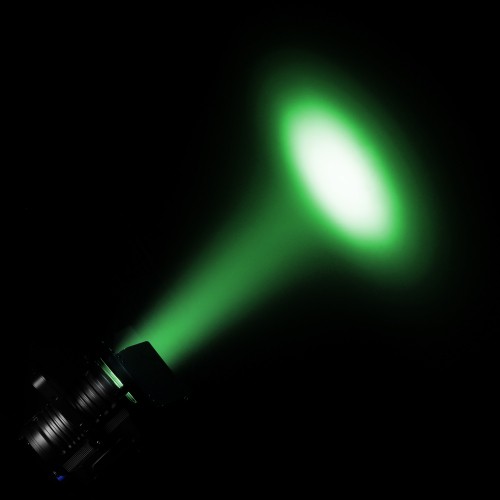
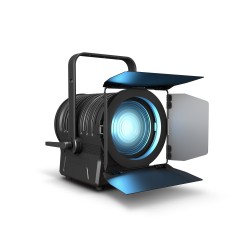
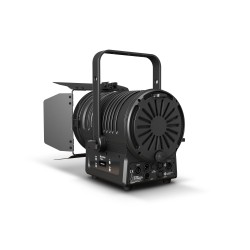
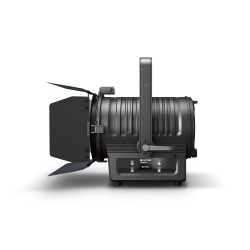
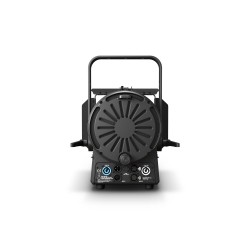
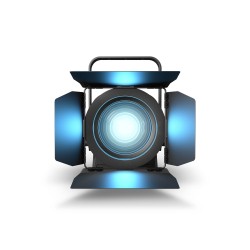
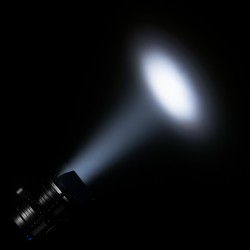
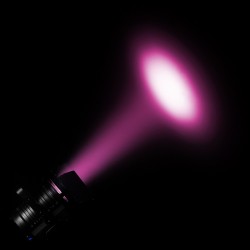
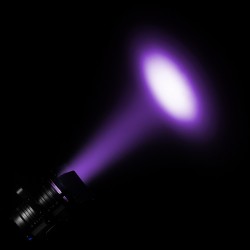
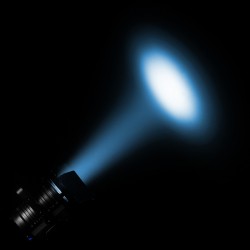
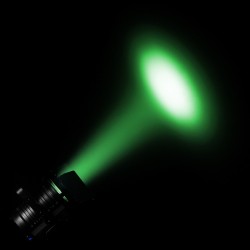
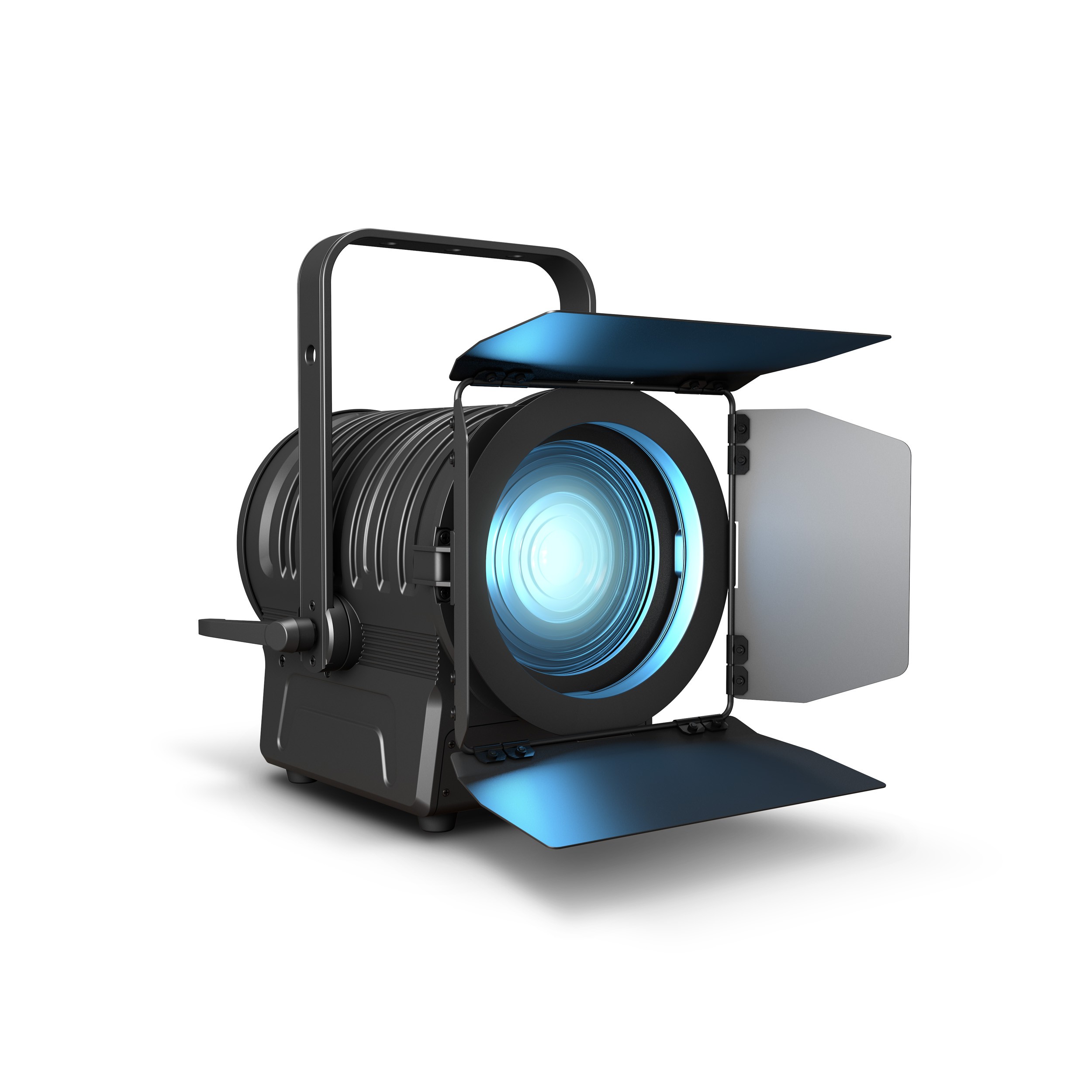
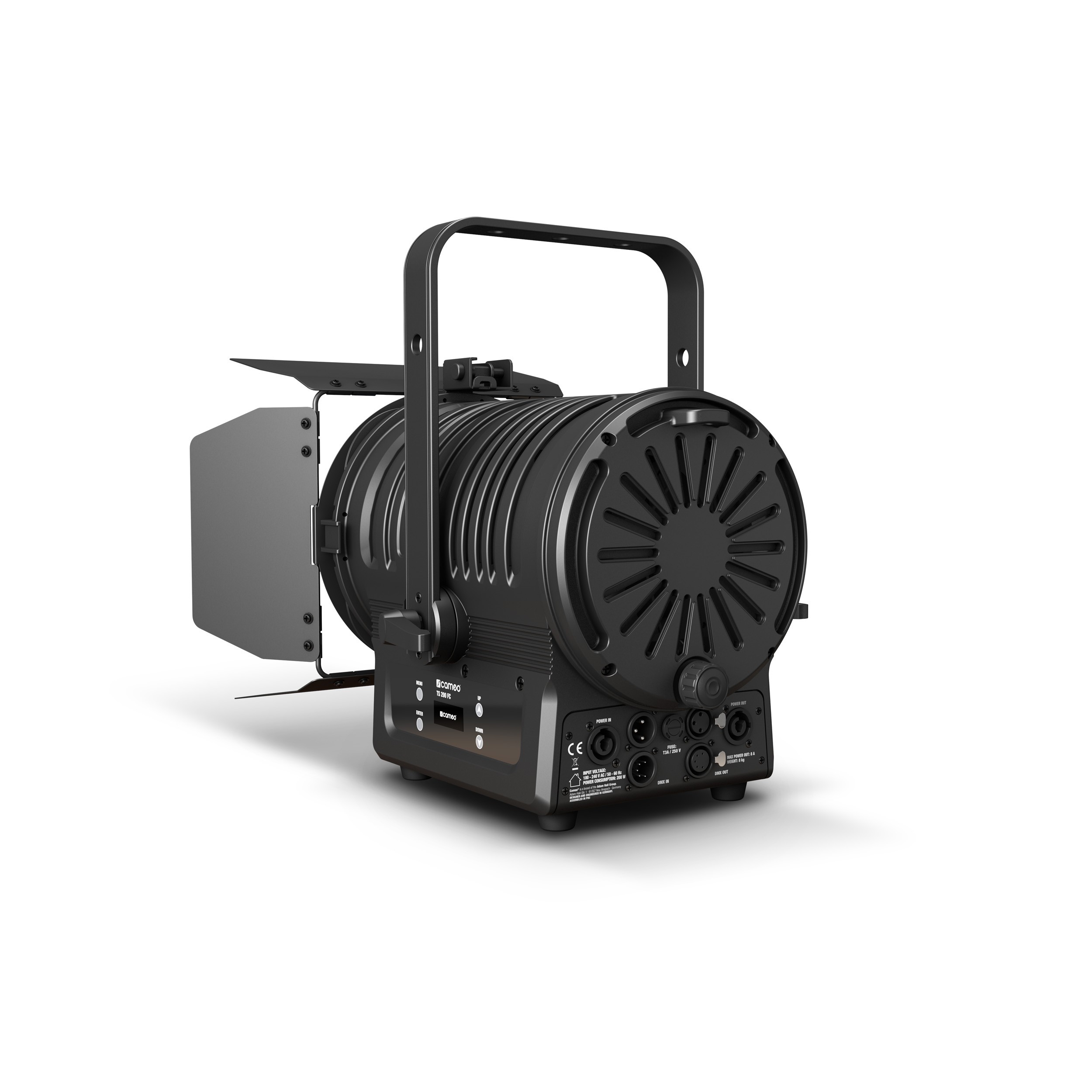
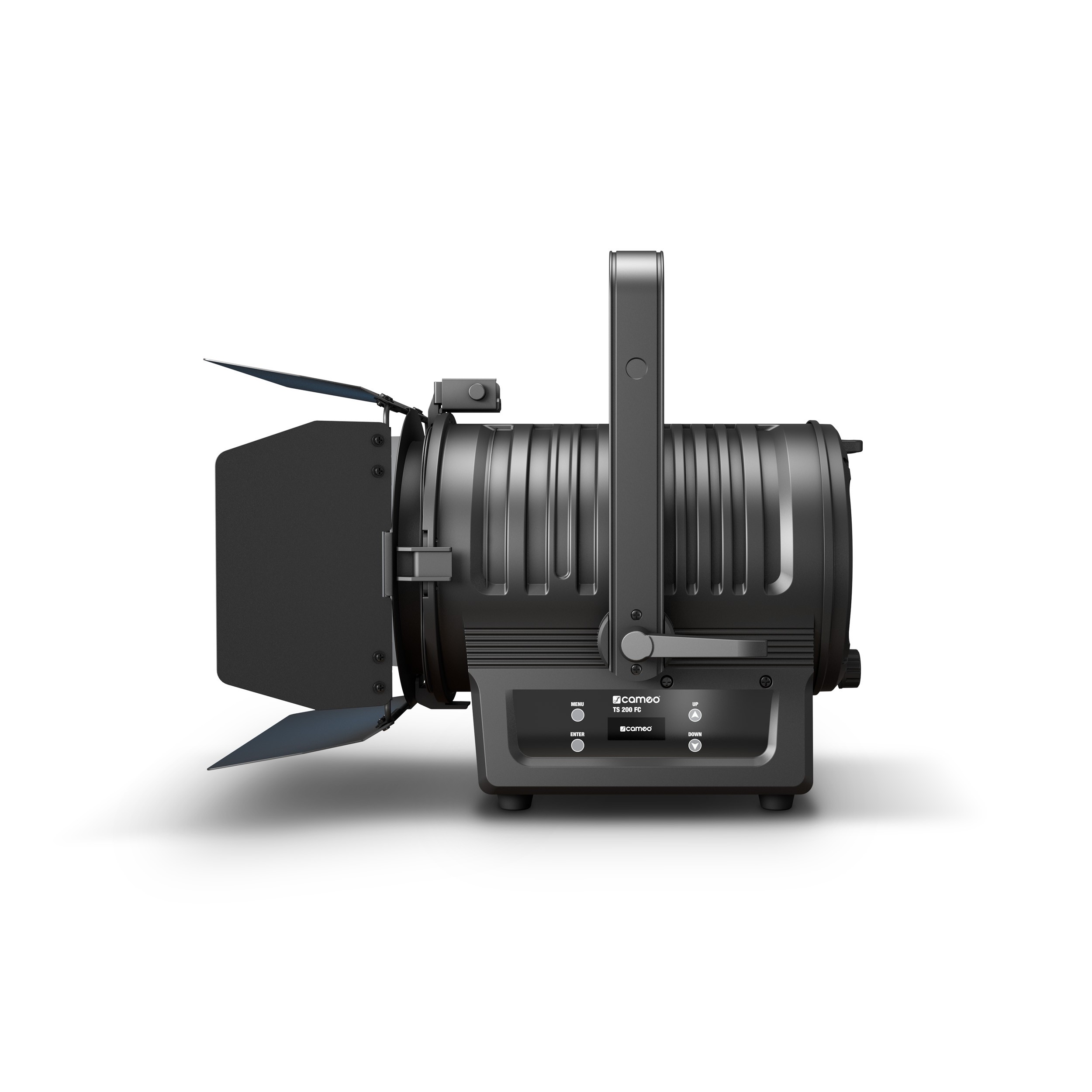
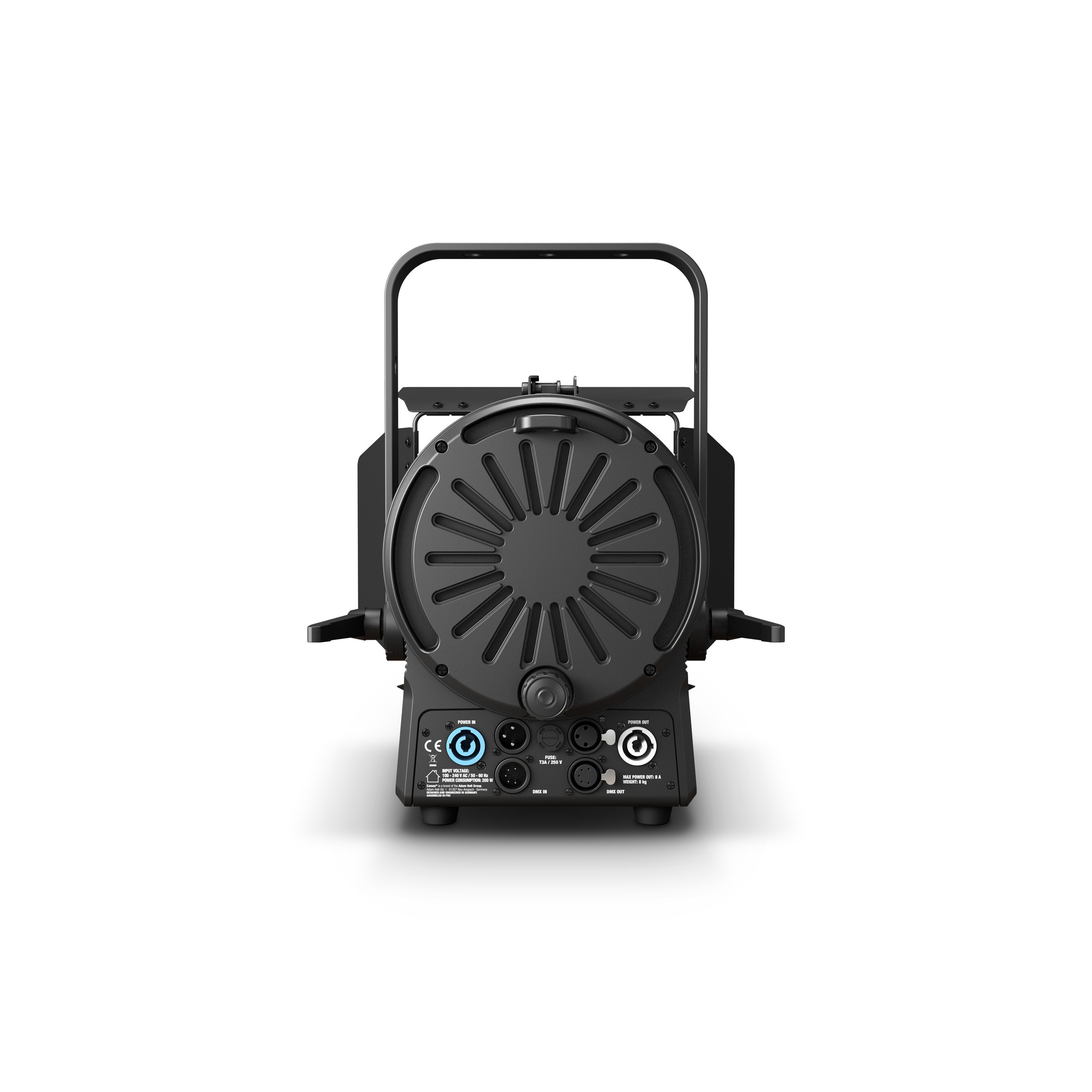
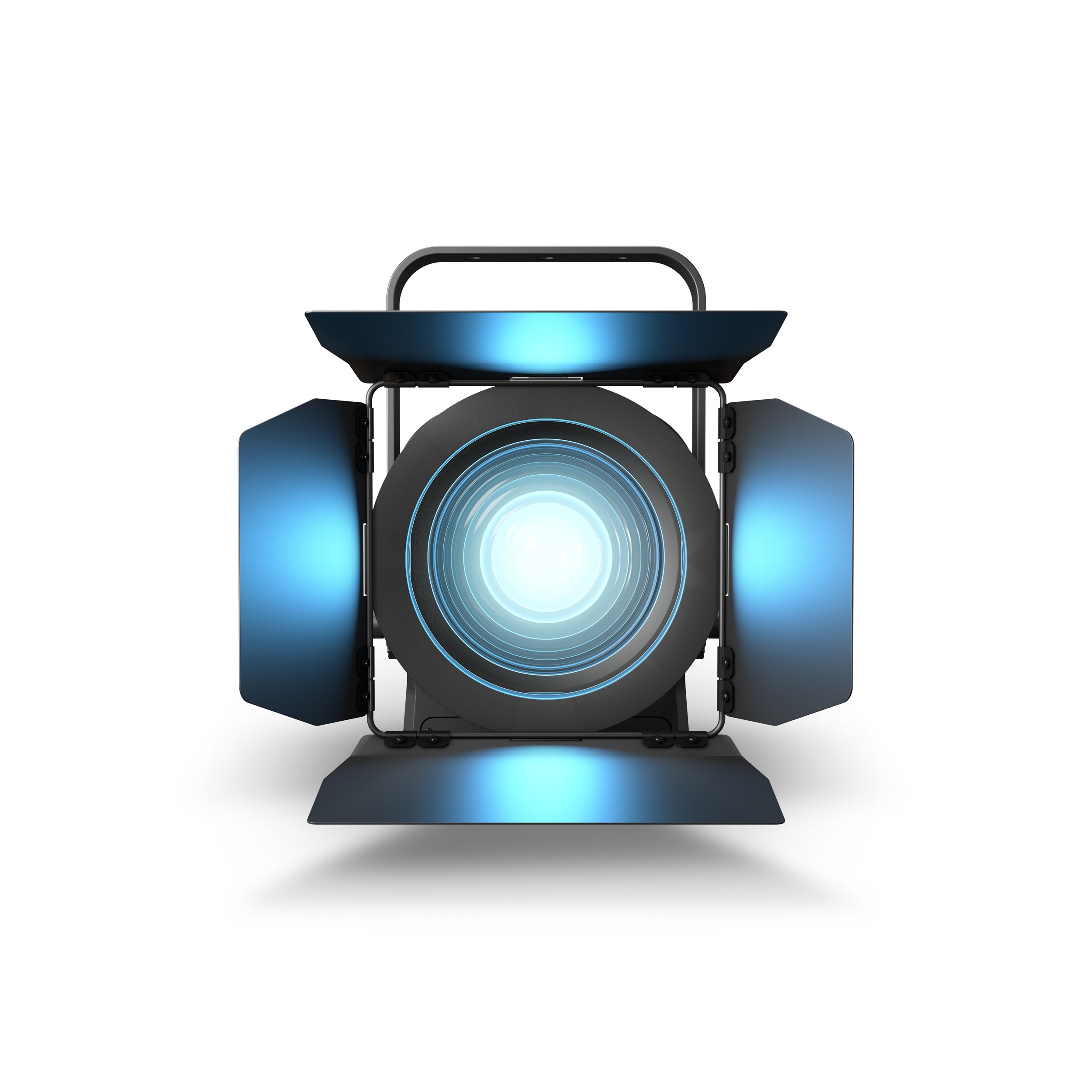
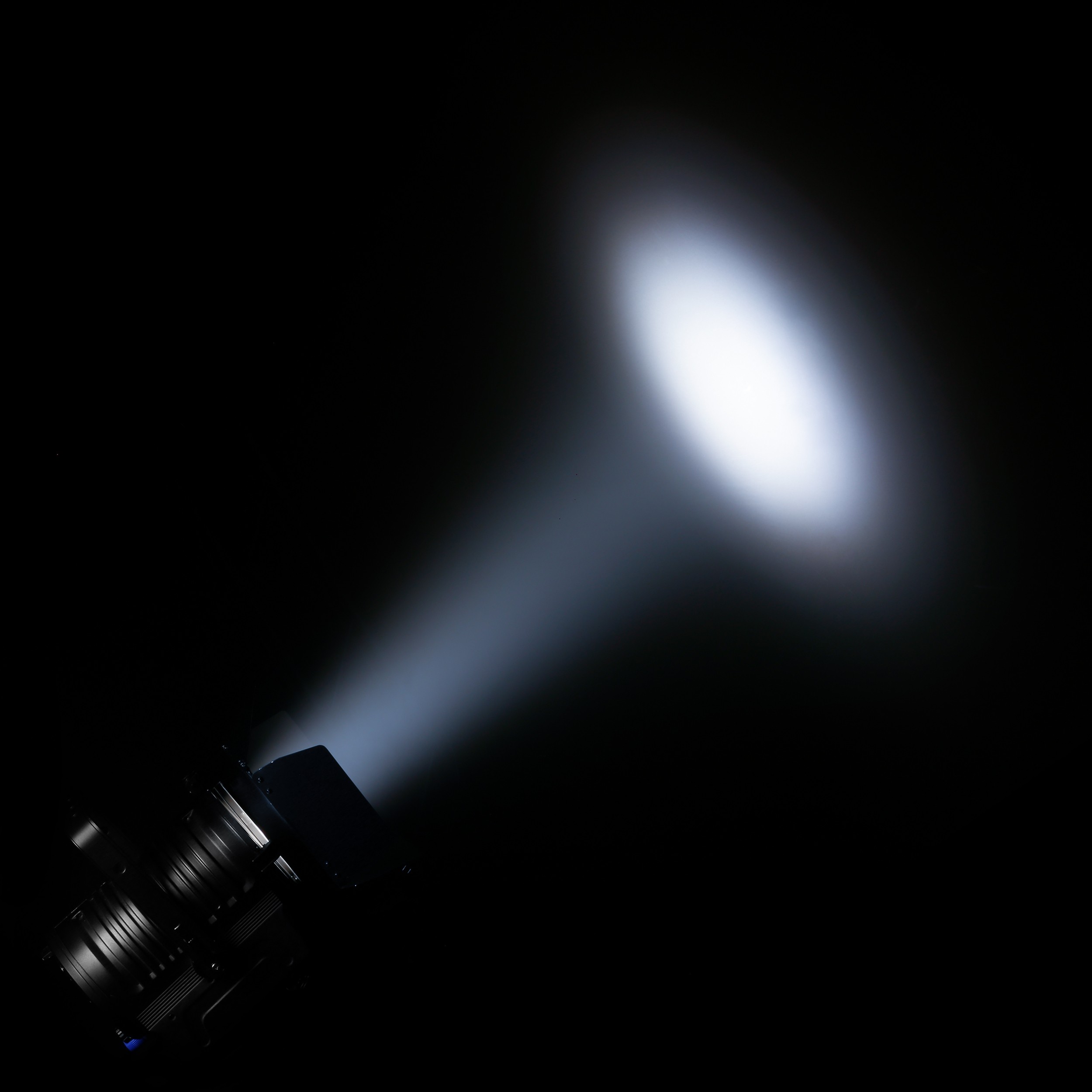
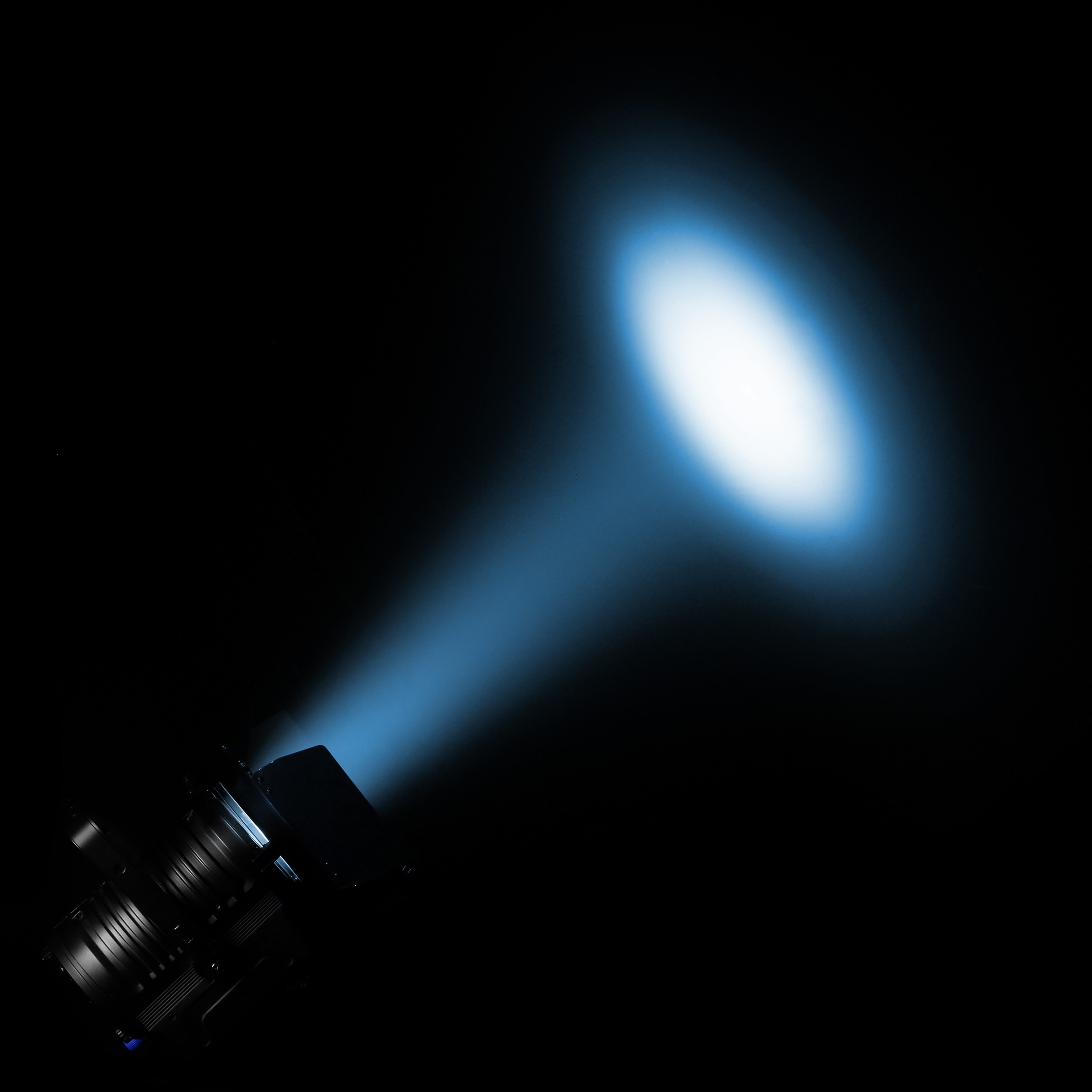
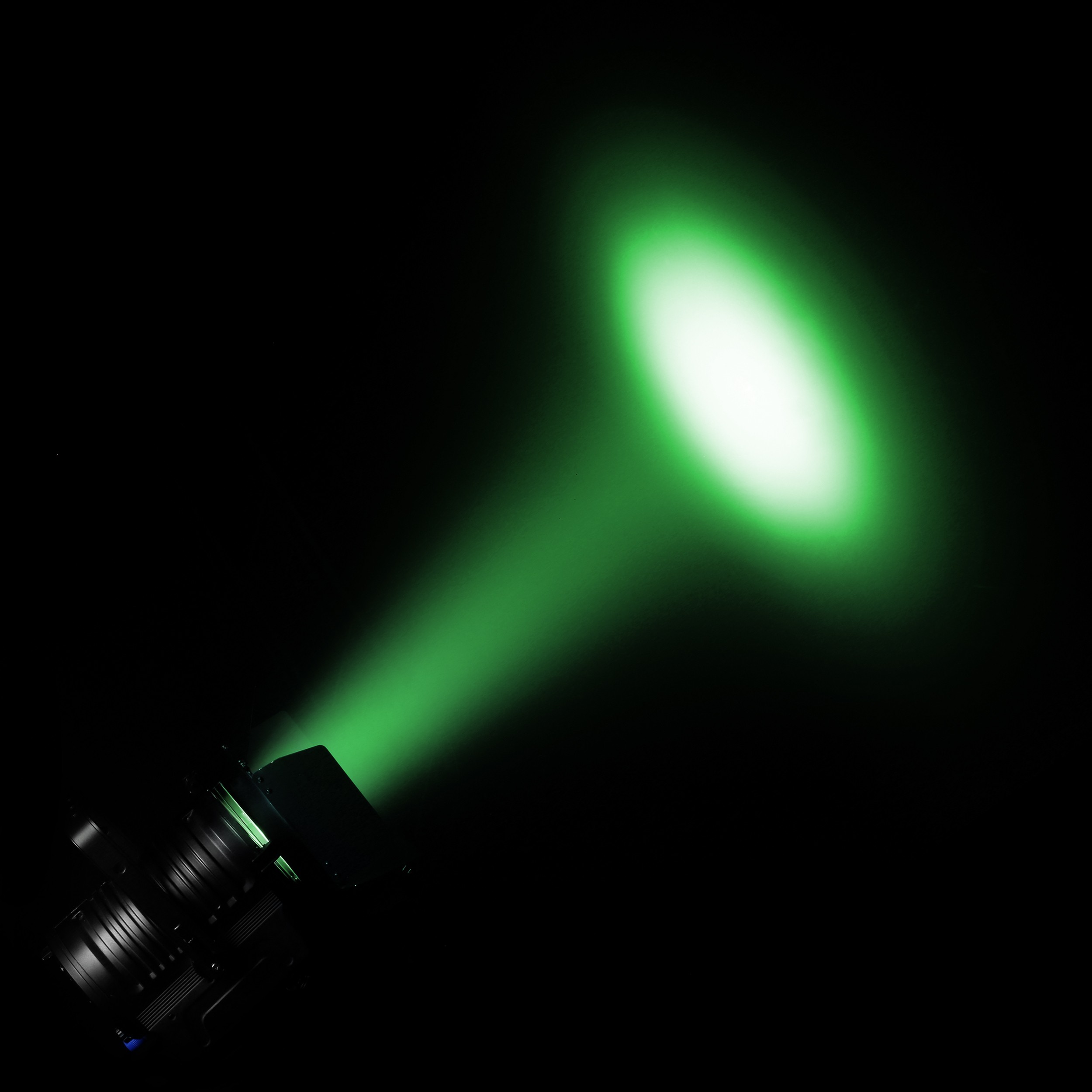
TS 200 FC Theater Spot with Fresnel Lens and 200 W 6-in-1 LED in Black Housing
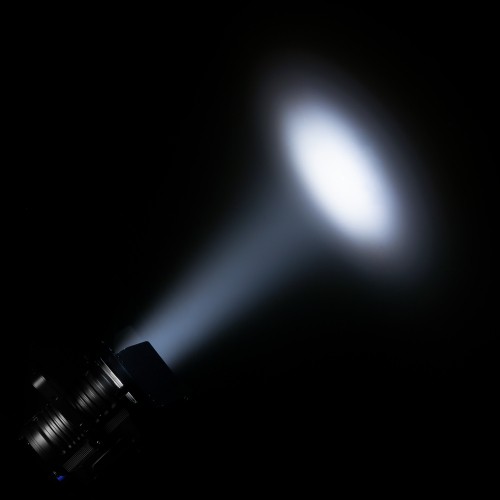
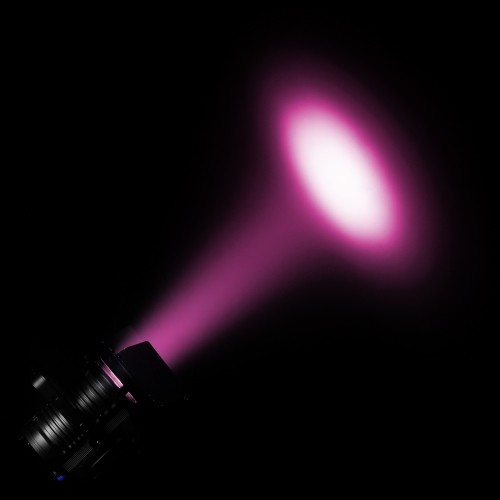
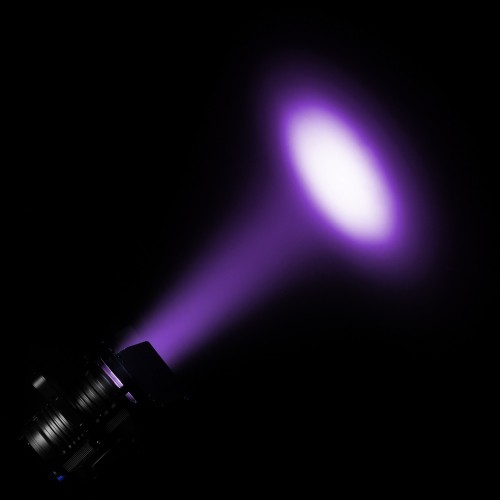
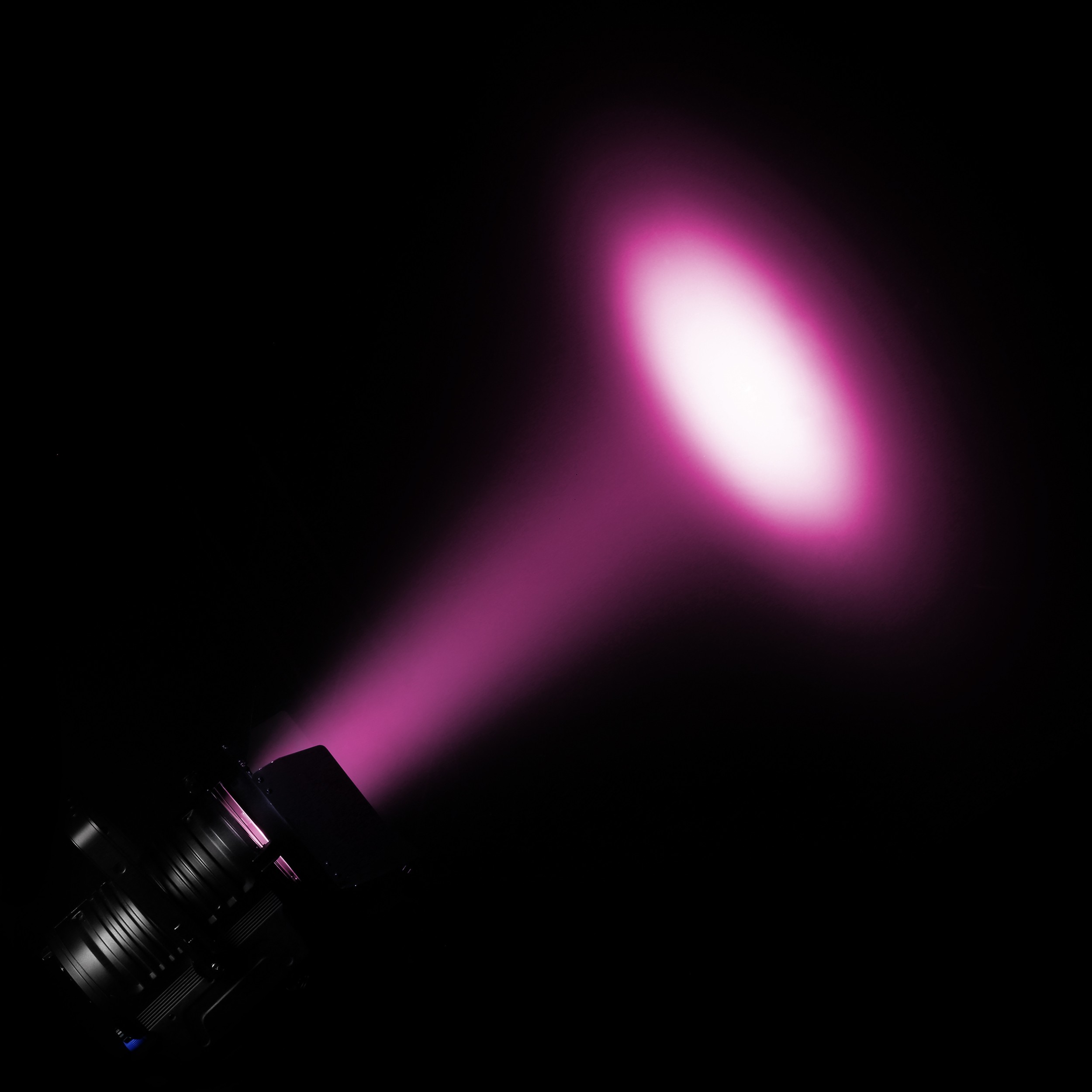
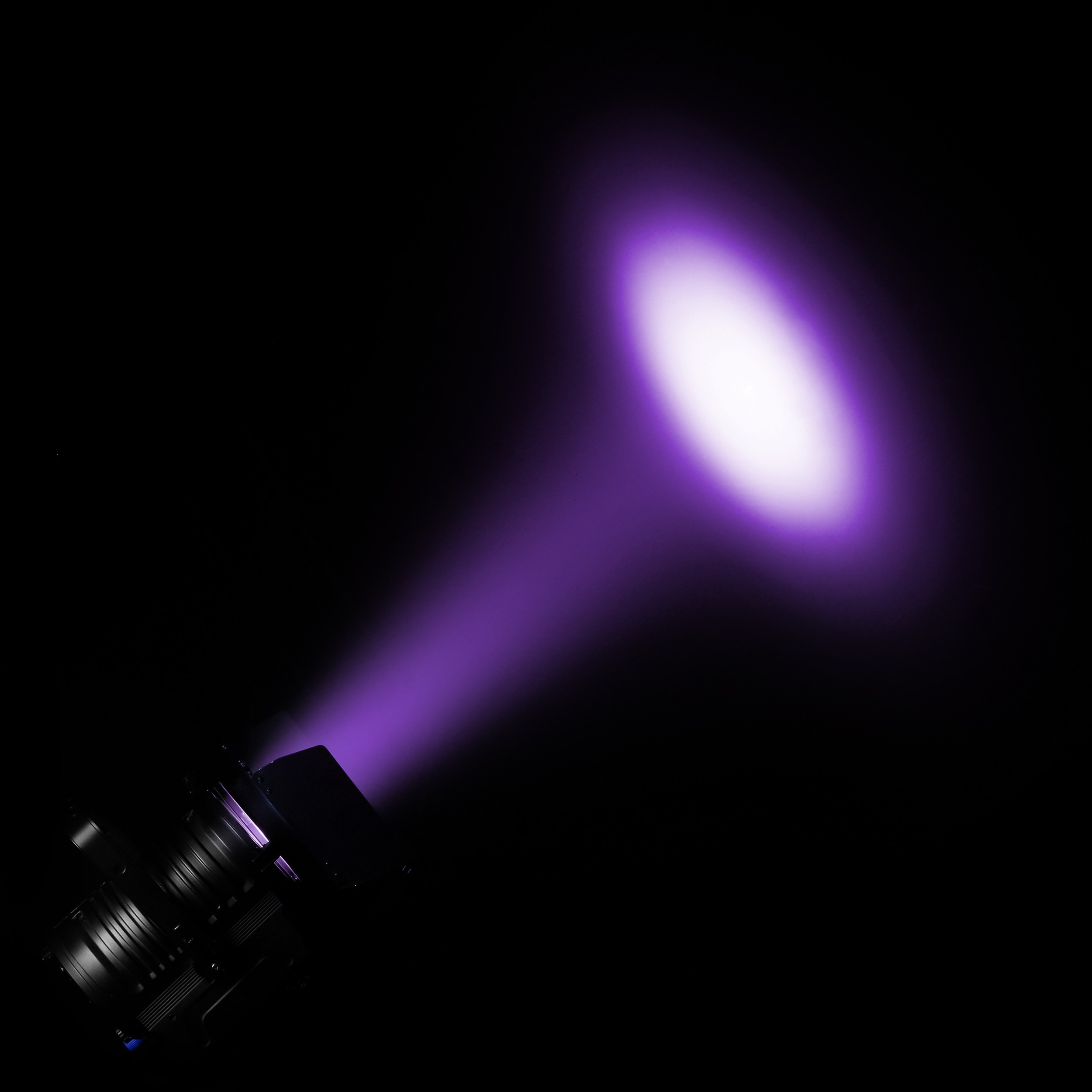
Any DJ, band, event organiser or company who considers it important to have the optimum light output combined with an extensive colour spectrum for their stage, podium or lectern, should take a look at the Cameo TS 200 FC. With its mixture of red, green, blue, amber, lime and cyan (RGBALC), the Fresnel spotlight is a genuine all-rounder that, thanks to 200 W and full colour, is able to meet the very highest demands in virtually all lighting situations. This is made possible by a light output of 5,500 lm at 3,200 K and a simulated halogen lamp dimmer response - so-called Dim-To-Warm technology (DTW). The Cameo TS 200 FC provides you with an LED engine for light in all its forms. The Fresnel spotlight can also be operated in silent mode, making it an all-rounder for use in theatres, on film sets and at events.






DMX512
Communication standard DMX512 was developed specially for lighting systems in 1986. Up to 32 DMX devices can be daisy-chained and controlled via a control source (e.g. a light mixer).
LED technology
LEDs are ideal for use in lighting systems: They are bright and have a low level of heat dissipation, a long operating life and low energy consumption. Moreover, LED systems often weigh less than conventional lighting systems.
Master & slave
Master/slave operation allows identical DMX devices to be controlled by a DMX device of the same model and software standard. All the devices are connected by DMX cables in series. The master device is then set to run in standalone mode and the slave devices are set to run in slave mode.
Standalone mode
In standalone mode, the device functions are controlled via integrated programmes, so no light mixer or “master” controller is required.
Strobe
Strobes emit fast flash sequences, which makes movements appear “frozen” and creates a kind of slow-motion effect.
6-in-1 LED
Additional amber-coloured, white and UV LEDs expand the GB spectrum, creating more saturation and contrast as well as clearer colour boundaries. The UV-LED is a practical extra and an alternative to conventional black light.
RDM
This device has full RDM capability. The RDM protocol supplements the DMX protocol and enables bidirectional communication via a standard DMX network. It simplifies configuration, administration and monitoring of RDM devices connected to an RDM controller.
The high-frequency control of the LEDs while dimming ensures flicker-free operation, including for filming purposes.
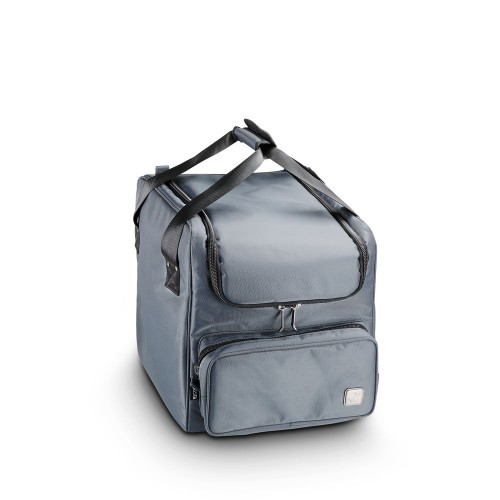
- Product type: Other Lighting Accessories
- Type: Transport Bags
- Color: grey